Camille Brunel

Adults, Teenagers and Children
In Person & Online consultations
Beirut & Metn
“I am not responsible for what was done to me, but I am responsible for what I do with what was done to me” J.P. Sartre
+961 71 88 32 56 -brunelkamille@gmail.com
Gestalt Therapy, what is it?
A humanistic, existential and experiential therapy

Humanistic, because it holds a positive view of human beings, understood as organisms in constant growth. Humanistic because it takes a holistic view of the person, considering them as a whole: body, emotions, thoughts and imagination.
Existential, because it considers the individual inseparable from the world in which they are born and live, and recognizes that we are all shaped by existential questions throughout our lives: loneliness, finitude, the search for meaning, freedom.
Experiential, because Gestalt Therapy focuses on the contact that takes place here and now within the dialogical relationship between therapist and client. Therefore, the therapist may use different forms of experimentation to shed light on a situation, such as role-play, movement, imagination…
The German word Gestalt can be understood as “what appears” or “what takes shape.” Sometimes what emerges is fluid, alive and evolving; at other times, it may become rigid and limiting. Gestalt Therapy seeks to bring greater flexibility and fluidity to our ways of making contact.
While psychoanalysis focuses on the different parts that make up the individual, Gestalt considers the individual as a whole, inseparable from the environment in which they live and within which they have been shaped. It views the whole as greater than the sum of its parts.
Emerging in the 1960s, in the aftermath of the Second World War and within a broader movement of individual emancipation from the dictates of a conservative society, Gestalt carries a vision of the world grounded in responsibility, authenticity, and creativity.
What happens during individual sessions?
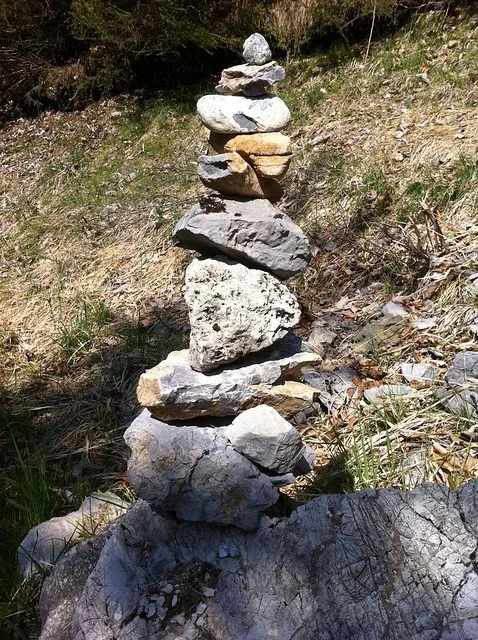
During our first meeting, we talk about what brings you to therapy and what you are hoping for. I then explain how I work, including practical matters such as session times, the therapeutic framework and fees. I also explain what Gestalt Therapy is and answer any questions you may have.
If we decide to continue working together, our sessions will take place through face-to-face interaction. I may suggest different experiential approaches involving creativity, the body, contact, emotions or imagination, which can offer a new perspective on what you are experiencing.
Rather than focusing on the origins of your difficulties, we explore your resources and your needs and how you can draw on them to move forward.
Over the course of the sessions, the trust needed for a therapeutic relationship can gradually develop within a safe and supportive framework. This includes the ethical code I adhere to, confidentiality, kindness and non-judgment, as well as a mutual commitment to the process.
My approach is inclusive, welcoming people in all their diversity of identities, life experiences, and ways of being in the world.
I can help you through everyday struggles and emotional suffering, as well as grief, emotional exhaustion, anxiety, addiction, trauma, and significant life transitions.
When working with children and adolescents, I take a more experiential approach, using play, drawing, sculpture and theatre to create a space where they can explore and develop their emotional awareness.
About me
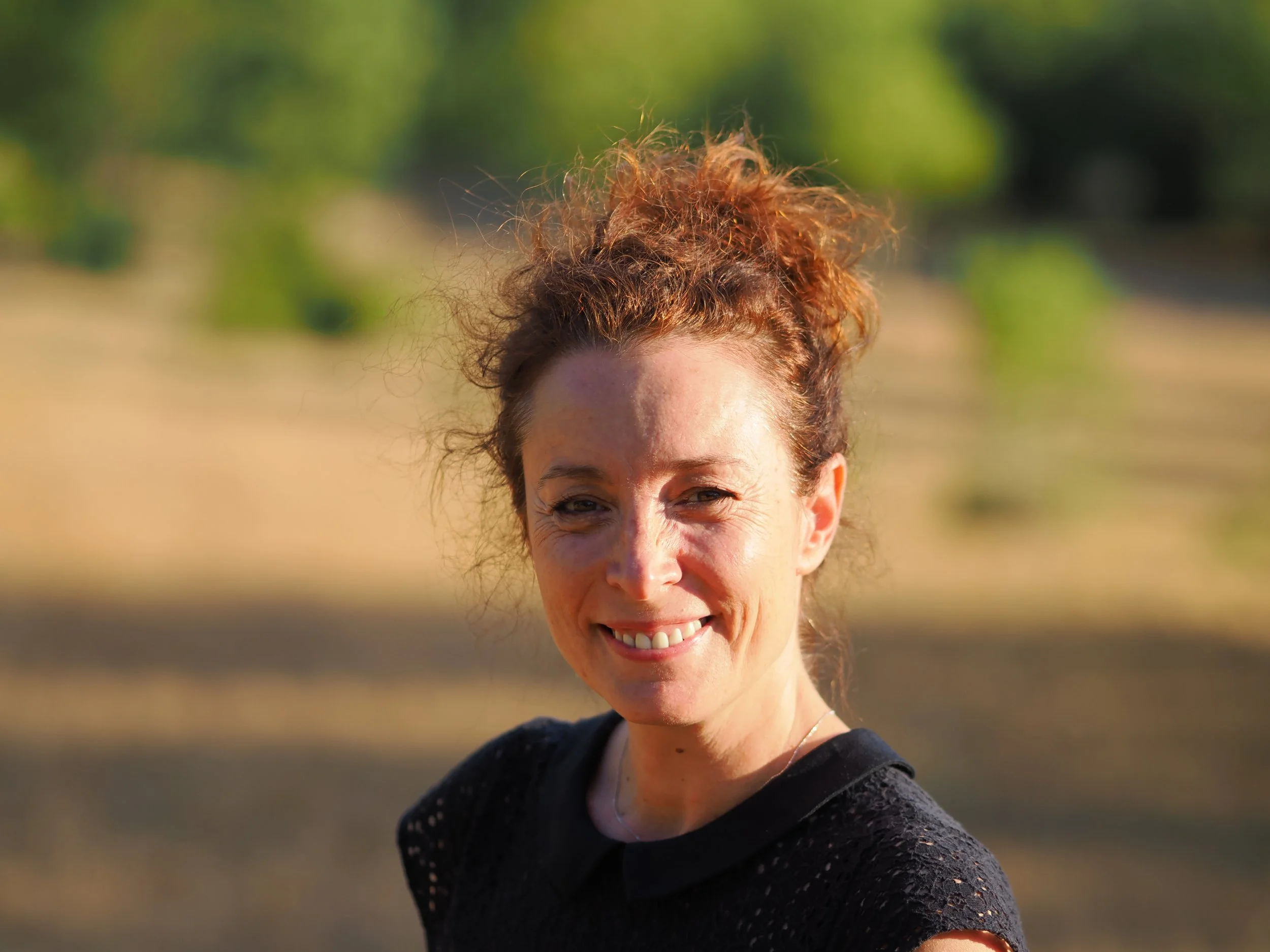
Before beginning my journey as a Gestalt practitioner, I built a long career in the arts as an actor, theatre director and teacher in France and Lebanon. Theatre, dance, cinema and artistic projects have been my favourite fields of exploration, driven by a search for beauty, meaning and stimulating collective experiences.
In recent years, I have specialized in artistic and therapeutic work with children and adolescents, in collaboration with various institutions, including the French Embassy – Institut français du Liban, BeMA (Beirut Museum of Art), as well as schools and educational institutions across Lebanon.
I have a deep understanding of the Lebanese socio-cultural context, which I have been part of for more than fifteen years. It was following the Beirut port explosion that I began to take a deeper interest in Gestalt Therapy, eventually leading me to make a professional transition into this field.
All of these past and present experiences inform the way I practice Gestalt, both in one-to-one sessions and in group settings.
Gestalt Therapy is more interested in the “how” than the “why”, and above all, it approaches the individual as a whole: shaped by their past, their present and their representations of the future, as well as by their body — where emotions are experienced — their thoughts and their imagination.
Gestalt Therapy is not a method that performs miracles. It is an exploratory process. If there is one thing I would retain from what I have found through it, something I consider truly precious, it is a sense of freedom.